
Introduction
Gas leaks are one of the most dangerous and invisible threats in industrial environments. Whether in oil refineries, chemical plants, or confined spaces, undetected toxic or combustible gases can lead to serious accidents.
A portable multi gas detector is an essential safety device designed to monitor multiple gases in real time and alert workers before conditions become dangerous.
In this guide, we’ll explain how portable gas detectors work, what gases they detect, and how to choose the right one for your application.
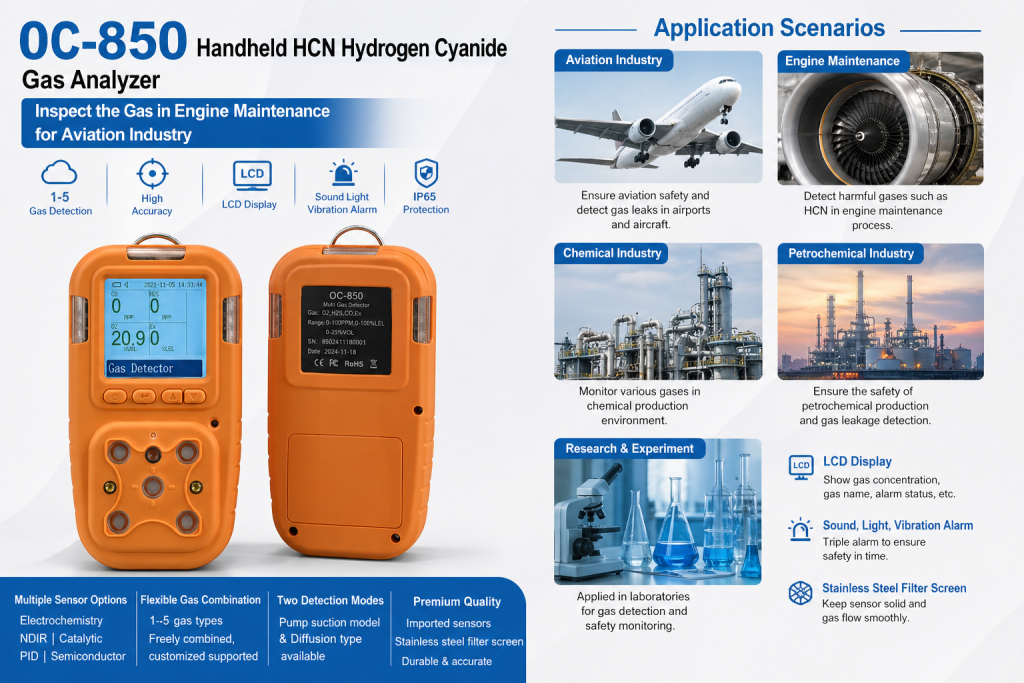
What Is a Portable Multi Gas Detector?
A portable multi gas detector is a handheld device used to detect and monitor multiple gases simultaneously. These gases typically include:
- Oxygen (O₂)
- Combustible gases (LEL)
- Carbon monoxide (CO)
- Hydrogen sulfide (H₂S)
- Toxic gases like HCN, NH₃, VOCs
Unlike single gas detectors, multi gas detectors provide comprehensive protection in environments where multiple hazards may exist.
How Does a Multi Gas Detector Work?
Portable gas detectors use different sensor technologies depending on the gas type:
- Electrochemical sensors → for toxic gases like CO, H₂S
- Catalytic sensors → for combustible gases (LEL)
- NDIR sensors → for CO₂ and hydrocarbons
- PID sensors → for VOCs (volatile organic compounds)
These sensors continuously measure gas concentrations and display real-time data on an LCD screen. When gas levels exceed preset limits, the device triggers alarms (sound, light, vibration).
Key Features to Look For
1. Multi-Gas Detection Capability
Choose a detector that can monitor 1–5 gases simultaneously depending on your application.
2. Pump vs Diffusion Sampling
- Diffusion type: natural air flow, suitable for open environments
- Pump type: actively draws air, ideal for confined spaces
3. Data Logging
Devices with data storage (e.g., 9999 alarm records) help with compliance and safety audits.
4. Fast Response Time
Look for response time ≤10 seconds to ensure timely alerts.
5. Explosion-Proof Certification
For hazardous environments, ensure certification such as Ex ia IIC T4.
6. Durability
Industrial environments require:
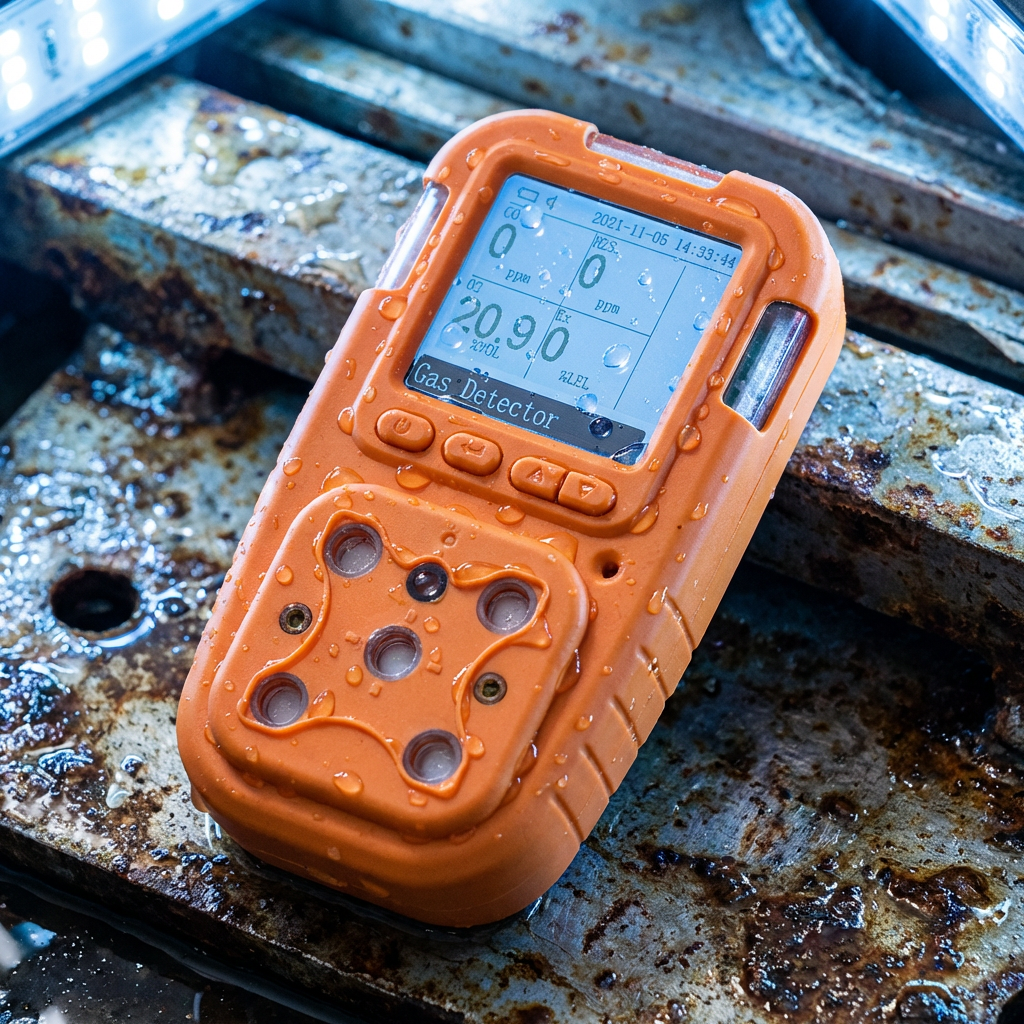
- IP66 waterproof & dustproof
- Shock-resistant housing
Where Are Portable Gas Detectors Used?
Portable multi gas detectors are widely used in:
- Oil & gas industry (refineries, pipelines)
- Chemical plants
- Mining operations
- Fire and rescue missions
- Confined space entry (tanks, tunnels, sewers)
- Environmental monitoring
How to Choose the Right Gas Detector
When selecting a gas detector, consider:
✔ Gas Types
Identify which gases you need to detect (LEL, O₂, CO, H₂S, etc.)
✔ Detection Range & Accuracy
Ensure the device meets your industry standards.
✔ Working Environment
High temperature? High humidity? Choose a rugged model.
✔ Battery Life
Long operation time (e.g., 100 hours) is crucial for field use.
✔ Customization Options
Flexible gas combinations allow better adaptation to your needs.
Recommended Solution
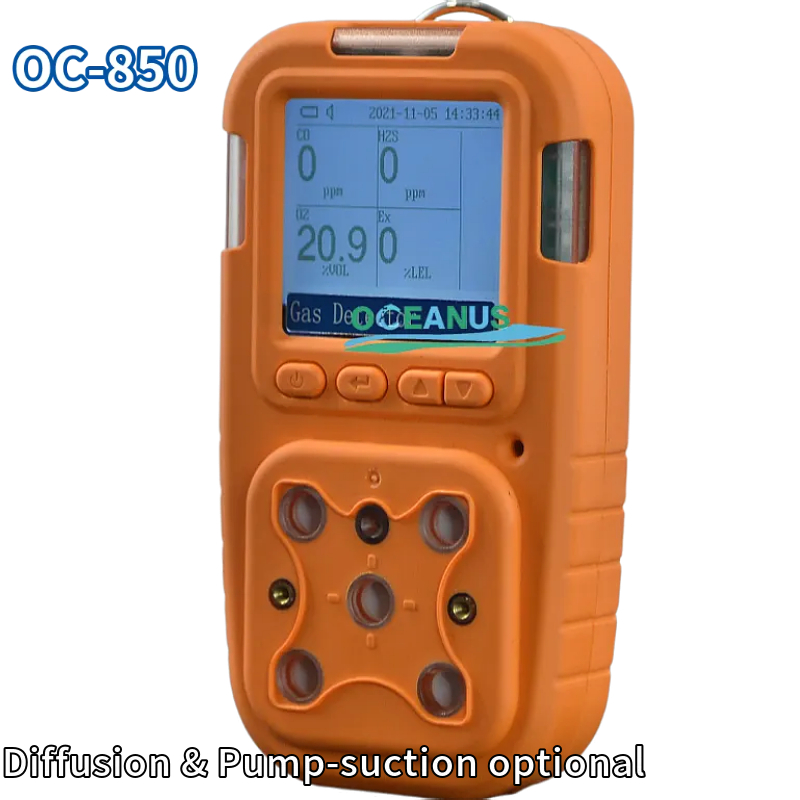
If you are looking for a reliable and customizable solution, the OC-850 portable multi gas detector is designed for industrial safety applications.
Key advantages include:
- Detection of up to 5 gases simultaneously
- Optional pump or diffusion sampling
- High-precision imported sensors
- IP66 protection & explosion-proof design
- Long battery life for extended use
You can explore more details on the product page or request a quote for your specific gas detection needs.
Conclusion
A portable multi gas detector is not just a device—it is a critical safety tool that protects lives and equipment. Choosing the right detector ensures compliance, reduces risk, and improves operational safety.
If you’re working in hazardous environments, investing in a high-quality multi gas detector is essential.
FAQs
What is the difference between a 4 gas and 5 gas detector?
A 5 gas detector includes an additional sensor (such as VOC or CO₂), offering broader protection.
Do I need a pump in a gas detector?
A pump is recommended for confined spaces where natural air diffusion is limited.
How often should a gas detector be calibrated?
Typically every 3–6 months, depending on usage and regulations.
Call to Action
Looking for a professional portable gas detector for your project?
Contact us today to get a customized solution and fast quotation.
Email: info@china-oceanus.com
Telephone: +86 0371 60998169
Mobile/Whatsapp: +86 15981942832
Mobile/Whatsapp: +86 13673683950