
Excessive workplace noise is more than a nuisance. In manufacturing plants, mining sites and other industrial environments, prolonged exposure can cause permanent hearing damage.
Regular noise surveys help businesses identify risks, evaluate noise exposure and improve workplace safety.
1. Where Does Industrial Noise Become a Risk?
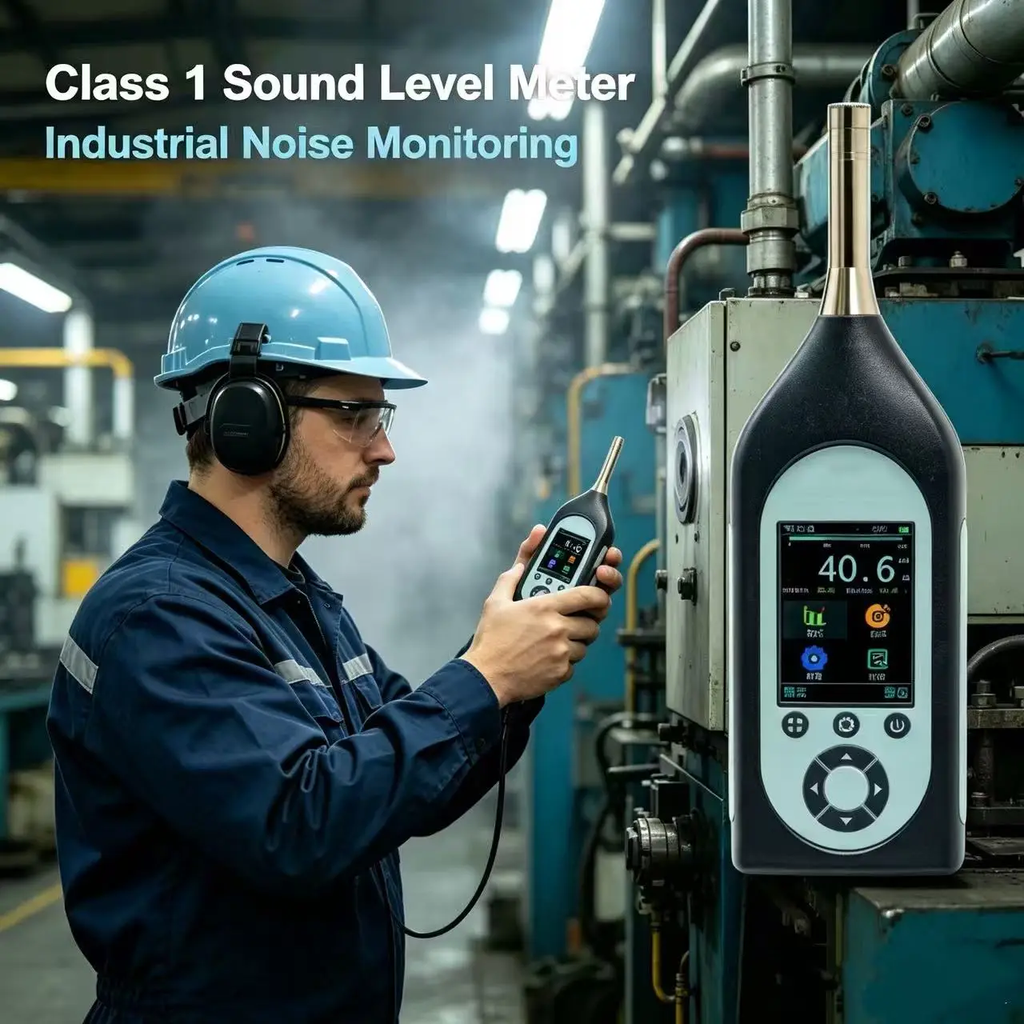
High noise levels can occur across a wide range of industrial operations.
Manufacturing workshops
- Metal stamping and forging
- Textile machinery
- Woodworking equipment
- Packaging production lines
Mining operations
- Open-pit mining areas
- Underground tunnels
- Crushing and screening facilities
Other industrial environments
- Road construction, demolition and piling operations
- Power plants, hydropower stations and wind farms
- Railway maintenance workshops and vehicle repair facilities
- Environmental and occupational noise assessment projects
Noise levels vary with equipment, workload and operating conditions. Regular measurements help identify high-noise areas that may require further assessment or control.
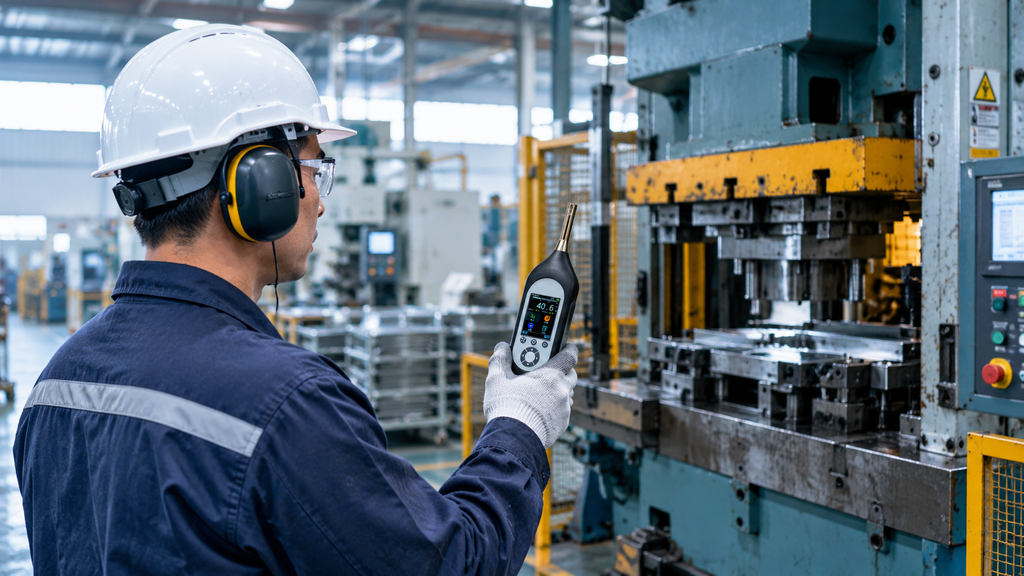
2. Why Are Regular Noise Surveys Important?
An eight-hour time-weighted average exposure of 85 dBA is widely used as an occupational noise action level, although legal requirements differ by jurisdiction.
Regular noise surveys help businesses:
- Identify noise hazards before they lead to serious health consequences.
- Assess workplace exposure across production areas and workstations.
- Support EHS management with reliable measurement records.
- Evaluate noise control measures and identify areas requiring improvement.
- Prepare for audits and inspections through consistent documentation.
Impulse noise from stamping, forging and other impact operations also requires attention. Short-duration peaks may present additional hearing risks, making appropriate measurement methods and peak recording capabilities important.
3. How Should Workplace Noise Be Measured?
Different monitoring methods serve different purposes.
Area noise surveys
Fixed-point measurements help assess noise distribution across workshops, production lines, mining zones and other work areas.
Personal noise exposure monitoring
Personal monitoring helps evaluate an individual worker’s noise exposure over a working period. A suitable personal noise dosimeter may be needed for this task.
Frequency and peak analysis
Frequency-weighted measurements and peak sound level measurements help characterize noise according to the measurement objectives and applicable assessment requirements.
Combining appropriate methods provides a more complete picture of workplace noise risks.
4. OC-HY128: A Practical Solution for Industrial Noise Assessment
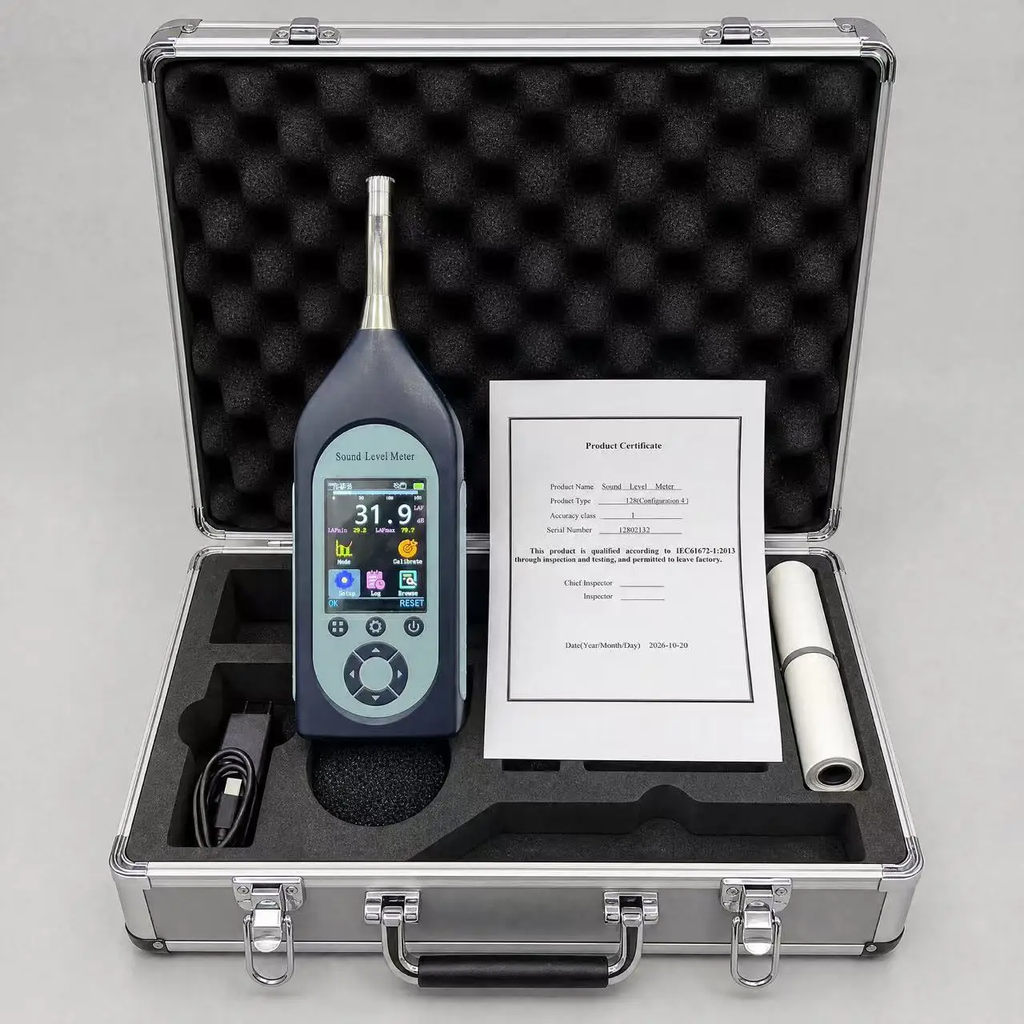
The OC-HY128 Color Screen Multi Function Noise Meter from Oceanus is designed to measure a range of acoustic parameters for noise assessment.
Key Features
- Class 1 measurement: Specified frequency range of 10 Hz–20 kHz.
- Wide measurement range: A-weighted detection from 20 to 144 dB.
- Peak measurement: C-weighted peak sound level range of 60–147 dB.
- Multiple working modes: Integral average, parallel measurement, statistical analysis, 24-hour measurement and indoor noise measurement.
- Optional frequency analysis: 1/1-octave and 1/3-octave analysis, depending on configuration.
- Convenient operation: 2.8-inch color display and onboard data storage.
These features support a range of noise assessment tasks in industrial and environmental settings.
5. From Noise Measurement to Effective Noise Control
Measurement data provides the foundation for deciding which control measures are appropriate.
Depending on the identified risks, businesses can consider:
- Source control: Reduce noise generated by machinery and production processes.
- Engineering controls: Apply acoustic enclosures, isolation or other suitable engineering solutions.
- Work practice adjustments: Review operating procedures and exposure duration where appropriate.
- Hearing protection: Provide suitable protection and training when required.
Regular surveys, appropriate instrument calibration and consistent recordkeeping help organizations evaluate control effectiveness and support EHS compliance.
6. Choose the Right Tool for Your Noise Monitoring Needs
Effective noise management begins with understanding the risks and selecting suitable measurement methods.
The Oceanus OC-HY128 offers multiple measurement modes and optional frequency analysis for professionals conducting industrial noise assessment across manufacturing, mining, construction, energy and transport maintenance environments.
Looking for a suitable sound level meter for your next noise assessment project? Explore the OC-HY128 and select the configuration that matches your measurement requirements.
Whatsapp: +86 15981942832
Email: info@china-oceanus.com