
Understanding Two Key Technologies for Industrial Gas Safety
In industrial environments, gas safety is a critical concern. Whether in oil & gas, chemical plants, manufacturing facilities, confined spaces, or laboratories, detecting hazardous gases before they become dangerous is essential for protecting workers and preventing accidents.
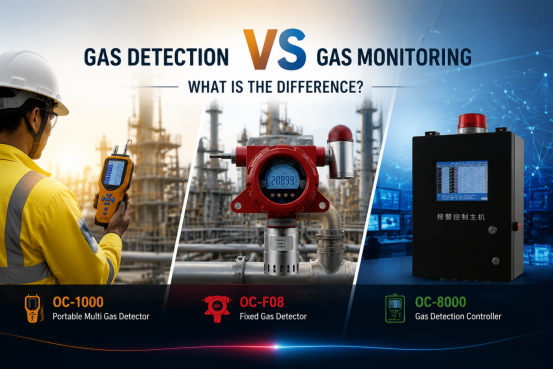
However, many people often use the terms gas detection and gas monitoring interchangeably. Although they are closely related, they serve different purposes.
Understanding the difference can help industries choose the right gas safety solution for their applications.
What Is Gas Detection?
Gas detection focuses on identifying the presence of hazardous gases and providing immediate warnings when gas concentrations reach dangerous levels.
The main purpose of gas detection is:
- Detect dangerous gases quickly
- Trigger alarms in emergency situations
- Protect personnel from exposure risks
- Prevent potential incidents such as poisoning, fire, or explosions
Gas detection systems are commonly used for safety inspections, workplace protection, and emergency response.
For example, workers entering a confined space may use a portable gas detector to check oxygen levels and hazardous gases before starting work.
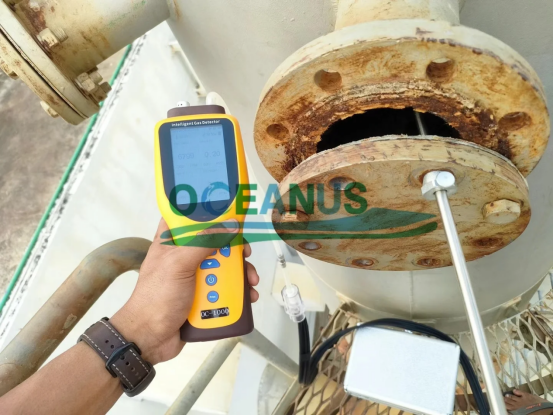
Portable Gas Detection: Flexible Safety Protection
Portable gas detectors are designed for mobile inspections and personal protection.
A professional portable multi gas detector can measure multiple gases simultaneously, helping workers understand environmental conditions in real time.
Oceanus OC-1000 Portable Multi Gas Detector is designed for various industrial environments, including:
- Confined spaces
- Oil & gas facilities
- Industrial sites
- Maintenance operations
- Emergency inspections
With support for multiple sensors, the device can be customized to detect different gas types according to application requirements.
Key features include:
- Built-in pump for accurate gas sampling
- Up to 6 sensors including gas, dust, temperature, and humidity
- Flexible gas configuration according to customer needs
- Reliable data measurement for different working environments
Portable detection provides workers with a convenient and effective safety tool when entering unknown or potentially hazardous areas.
What Is Gas Monitoring?
Unlike gas detection, gas monitoring focuses on continuous observation and long-term management of gas conditions.
Gas monitoring systems are designed to:
- Continuously measure gas concentrations
- Provide real-time data
- Enable remote supervision
- Support automated safety control
Instead of only responding after a dangerous situation occurs, monitoring systems help companies understand changes in gas conditions and take preventive actions.
Fixed Gas Monitoring Systems: Continuous Protection for Industrial Sites
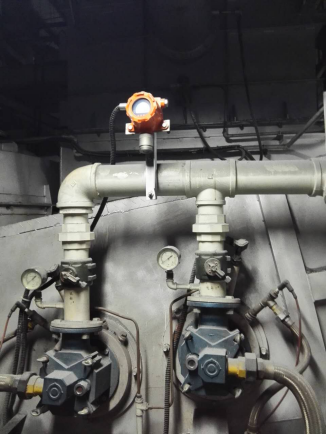
For locations where gas hazards may exist continuously, fixed gas monitoring systems provide 24/7 protection.
Oceanus OC-F08 Fixed Gas Detector is developed for industrial applications requiring stable and continuous gas monitoring.
It features:
- High-performance imported sensors
- Ultra-low-power microprocessor technology
- High accuracy and stable signal output
- Fast response to gas hazards
- Compatibility with PLC and DCS control systems
The detector can be integrated with industrial control systems to provide real-time gas information and support centralized safety management.
Typical applications include:
- Chemical production facilities
- Petroleum and petrochemical industries
- Storage areas
- Manufacturing plants
Gas Monitoring Needs More Than Sensors: The Role of Controllers
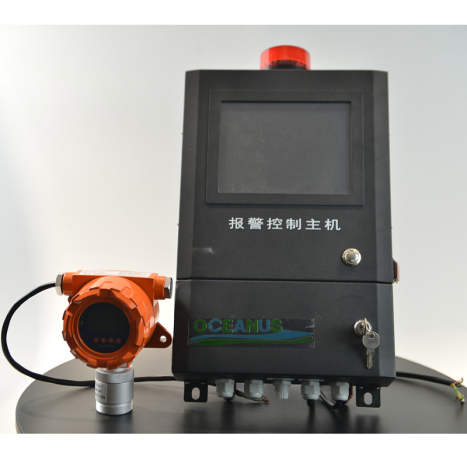
In a complete gas monitoring system, detectors collect gas data, while controllers manage information and alarms.
The Oceanus OC-8000 Gas Detection Controller works together with fixed gas detectors to create an integrated industrial gas safety system.
The controller provides:
- Centralized monitoring of multiple detectors
- Real-time gas concentration display
- Alarm management
- Data analysis functions
- Connection with external devices such as ventilation systems and valves
By combining detectors and controllers, industries can build a smarter safety network that responds faster to potential risks.
Gas Detection vs Gas Monitoring: Key Differences
| Gas Detection | Gas Monitoring | |
| Main Purpose | Identify dangerous gas presence | Track gas conditions continuously |
| Usage | Short-term inspection and personal safety | Long-term industrial safety management |
| Equipment | Portable detectors | Fixed detectors + controllers |
| Data | Immediate measurement | Continuous data collection |
| Application | Confined spaces, inspections | Factories, plants, production areas |
Both technologies play important roles in industrial safety. Gas detection focuses on quick response, while gas monitoring focuses on continuous protection and prevention.
Choosing the Right Gas Safety Solution
The best solution depends on the working environment and safety requirements.
For mobile inspections and personal protection:
→ Portable gas detectors provide flexibility and fast measurement.
For industrial facilities requiring continuous protection:
→ Fixed gas monitoring systems provide reliable 24/7 supervision.
In many industries, combining both solutions creates a complete safety strategy — portable detection for field operations and fixed monitoring for continuous protection.
Building Safer Industrial Environments with Smart Gas Solutions
As industrial processes become more complex, reliable gas safety technologies are becoming increasingly important.
From portable gas detectors to fixed monitoring systems and intelligent controllers, Oceanus provides professional solutions designed to help industries detect risks earlier, monitor conditions continuously, and improve workplace safety.
Accurate detection. Continuous monitoring. Smarter protection.