
Why do unpleasant odors sometimes spread across a large area, while on other days they remain close to their source?
The answer is not always related to the amount of emissions. Weather conditions also influence how odors move through the atmosphere.
Wind speed, humidity and temperature are three important meteorological factors affecting odor dispersion. Understanding their influence can help environmental managers investigate odor complaints, identify potential affected areas and improve monitoring strategies.
1. Wind Speed: Controlling Odor Movement
Wind speed directly influences how odors travel through the surrounding environment.
- Low wind speed: Limited air movement may allow odors to accumulate near emission sources.
- Moderate wind speed: Airflow can help disperse and dilute odors.
- High wind speed: Odors may spread over greater distances, potentially affecting areas farther from the source.
Wind direction is equally important. It helps determine where odors are transported and which surrounding locations may be affected.
For example, at a waste treatment facility, a change in wind direction may cause nearby residential areas to experience unpleasant odors even when site operations remain unchanged.

2. Humidity: The Influence of Atmospheric Moisture
Humidity is another environmental factor worth considering during odor monitoring.
Changes in relative humidity can influence the behavior of certain odor-producing compounds and how people perceive odors.
In humid environments, some odor problems may become more noticeable, particularly around organic waste and wastewater facilities. Moisture can also influence biological decomposition processes, potentially changing odor emission conditions.
However, humidity does not always increase odor concentration. Its effects depend on the chemical properties of the compounds and surrounding environmental conditions.
Recording humidity alongside odor measurements provides additional information for understanding changes in odor conditions.
3. Temperature: Why Odors Change Throughout the Day
Temperature affects the release and movement of many odor-producing substances.
Higher temperatures can increase the volatility of certain compounds, potentially allowing more substances to enter the air from waste, wastewater and other emission sources.
Temperature also influences atmospheric stability.
For example, during temperature inversion conditions, cooler air near the ground may become trapped beneath warmer air. This can limit vertical air mixing and allow pollutants and odors to accumulate near the surface.
This is one reason why odor conditions may differ between daytime and nighttime, even when emission activities remain relatively stable.

4. Why Combine Meteorological Data with Odor Monitoring?
Odor measurements alone may not explain why unpleasant smells appear in different locations or change throughout the day.
Combining odor monitoring with meteorological information provides a more complete understanding of environmental conditions.
Important parameters include:
- Wind speed and direction
- Ambient temperature
- Relative humidity
- Odor measurements over time
For example, when an odor complaint occurs, reviewing wind direction and speed can help environmental teams investigate whether emissions may have been transported from a nearby facility.
Temperature and humidity records can provide further context when comparing odor conditions across different periods.
5. Where Is Meteorological Monitoring Important?
Landfills and Waste Treatment Facilities
Weather conditions can influence how odors released during waste decomposition spread across surrounding areas. Meteorological data helps identify potentially affected locations.
Wastewater Treatment Plants
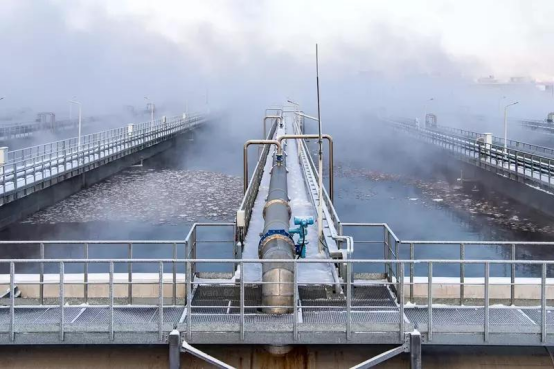
Changes in temperature, humidity and airflow can influence odor conditions around treatment tanks, sludge handling areas and wastewater storage facilities.
Livestock Farms
Temperature and humidity changes can affect indoor environmental conditions and ventilation requirements. Monitoring these factors helps farm operators understand changes in the surrounding environment.
Industrial Areas
Meteorological data can help environmental teams assess the movement of emissions and investigate complaints from nearby communities.
6. Improving Environmental Monitoring with Oceanus
Understanding odor dispersion requires more than observing weather conditions. Reliable environmental data also plays an important role.
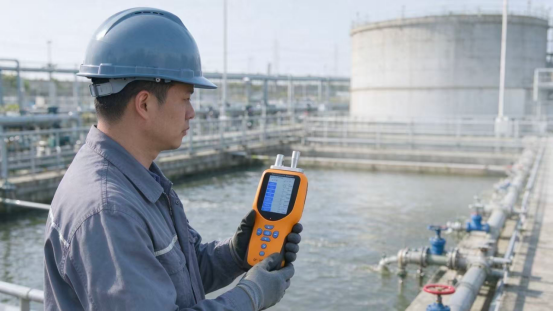
The Oceanus OC-1000 Portable Odor Gas Detector supports odor monitoring and includes temperature and humidity measurement, allowing users to observe these parameters during field inspections.
For wind speed and wind direction, additional meteorological monitoring equipment can be used alongside odor measurements. Oceanus also offers the Ambient Air Quality Monitoring System for integrated air quality and meteorological monitoring.
By combining these data sources, environmental teams can better understand changing conditions and investigate potential odor problems.
Explore the Oceanus OC-1000 Portable Odor Gas Detector.
Wind speed, humidity and temperature all influence how odors behave in the environment. Their combined effects can determine whether odors remain near their source or spread into surrounding areas.
For facilities dealing with odor management, monitoring meteorological conditions alongside odor measurements provides valuable information for environmental assessment and investigation.
Oceanus provides portable monitoring solutions to support different environmental inspection requirements. Contact us to discuss your monitoring needs.
Whatsapp: +86 15981942832
Email: info@china-oceanus.com